Difficult access and costs for West Wickham rubbish clearance
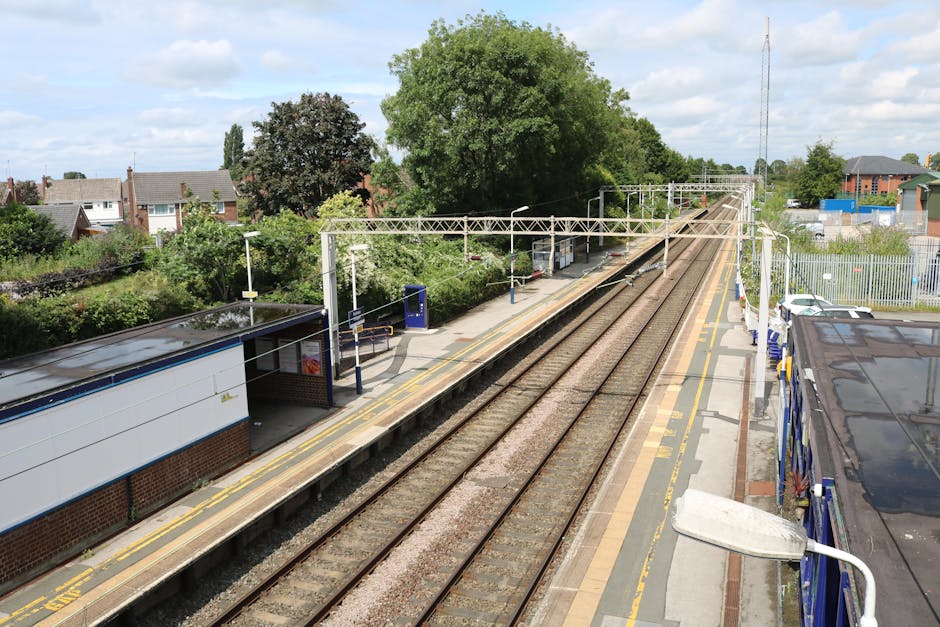
If you have ever tried to clear rubbish from a narrow mews, a top-floor flat, a shared driveway, or a property with no decent parking, you already know the problem: the waste is only half the job. The other half is getting to it. That is where Difficult access and costs for West Wickham rubbish clearance become very real. Stairs, tight hallways, long carries, awkward lift access, and limited kerb space can all add time, labour, and sometimes specialist planning to a clearance.
This guide explains what those access challenges actually mean in practice, how they influence pricing, and what you can do to keep costs under control without cutting corners. It is written for homeowners, landlords, tenants, businesses, and anyone who has looked at a pile of waste and thought, "Well, that's not getting out of there easily."
We'll cover the main cost drivers, sensible ways to prepare, common mistakes, and the best way to compare options. You'll also find a checklist and a realistic example so you can judge what matters before you book. A calm plan saves money. Usually, a bit of stress too.
Why difficult access matters for rubbish clearance
Access problems change the whole shape of a clearance job. A simple job with good parking and a straight route out of the property may take a small team very little time. The same amount of waste in a cramped loft or basement can be slower, messier, and more physically demanding. That extra effort affects labour costs first, then vehicle loading time, then the practical logistics of where the waste can be parked and transferred.
In West Wickham, that can come up in all sorts of everyday settings: older houses with narrow side passages, flats above shops, shared entrances, gardens reached through the house, or busy streets where you cannot just stop outside for long. To be fair, it is not always the size of the pile that causes the issue. Sometimes a few bulky items are harder than a large but easy-to-reach load.
Access matters because it changes risk. If a team has to manoeuvre heavy furniture down steep stairs or through a tight corridor, the chance of damage, delay, or injury goes up. That is why reputable providers usually ask practical questions before quoting. If they do not ask, that is a bit of a red flag.
It also matters because access can affect the final price in ways people do not always expect. A quote that looks lower on paper may not be realistic once the team arrives and discovers there is no lift, no parking, or a long carry to the vehicle. Nobody enjoys surprise add-ons, especially at the end of a long day when the hallway smells faintly of old carpet and dust.
Practical takeaway: difficult access is not just an inconvenience. It is a cost factor, a safety issue, and a scheduling issue all at once.
How difficult access affects the clearance process
Most rubbish clearance jobs follow the same broad pattern: assess the load, plan the route, move items, load the vehicle, and dispose of the waste responsibly. Difficult access changes each of those steps. A good team will adjust the plan before they start, rather than making it up on the doorstep.
What a clearance team usually looks at
- Distance from the waste to the vehicle: a longer carry generally means more labour time.
- Stairs and level changes: carrying items up or down stairs takes more effort and often needs two-person handling.
- Door width and corridors: bulky furniture may need dismantling or careful turning.
- Lifts and access restrictions: if a lift is unavailable or too small, the route changes completely.
- Parking and loading space: if the van cannot park nearby, the crew may spend more time shuttling items.
- Surface conditions: muddy gardens, damaged steps, low lighting, or uneven paths slow things down and increase caution.
In some cases, access can be the main reason a job needs extra people. For example, a sofa going out of a third-floor flat with a narrow stairwell may require a two-person team plus a careful plan to avoid scuffs and knocks. If the item cannot be safely removed in one piece, dismantling may be needed. That's usually sensible. Sometimes a little disassembly saves a lot of faffing about.
How pricing is usually shaped
Clearance pricing is often based on a mix of labour, load size, disposal type, and collection complexity. Access affects the labour part most directly. If the crew can remove a load quickly from ground level with easy vehicle access, the job is simpler. If they need to spend extra time carrying items through a building or around the back, the labour requirement rises.
Some providers charge more for difficult access as a set add-on; others build it into a bespoke quote after a site check or photo review. The exact structure varies, so the best approach is to ask how access is factored into the estimate. That simple question can save a lot of confusion later.
If you want a clearer starting point, it helps to compare quotes using the provider's pricing and quotes guidance. That gives you a better sense of what is likely included and what may be treated as extra work.
What makes a job more expensive in practice
- Multiple flights of stairs with no lift
- Long carries from the property to the collection vehicle
- Restricted parking or waiting restrictions
- Heavy or awkward items such as wardrobes, white goods, or old office furniture
- Limited access times, such as shared building rules or business hours
- Items that must be handled more carefully to avoid damage
- Waste that needs sorting into separate streams
Key benefits and practical advantages
Once difficult access is properly planned for, the process becomes much less stressful. A realistic quote, a suitable team size, and a clear access plan can make a big difference. You may still have a tricky staircase or a tight entrance, but at least you are dealing with it deliberately, not on the fly.
Benefits of planning access properly
- Fewer delays: the crew knows what to expect and arrives prepared.
- More accurate pricing: access is priced fairly rather than guessed.
- Reduced damage risk: careful route planning protects walls, floors, and bannisters.
- Better safety: fewer rushed lifts and awkward manoeuvres.
- Less stress on the day: everyone knows the plan.
There is also a trust benefit. When a company asks sensible questions about access before quoting, it usually means they understand the real work involved. In our experience, that matters more than flashy promises. A realistic service beats a cheap guess every time.
If your clearance involves mixed waste, bulky furniture, or heavier materials from a renovation, the benefits become even clearer. You can pair the right access plan with the right disposal route through general waste removal support or, for more specific projects, builders waste clearance. Matching the method to the material is often where the real savings begin.
Why local knowledge helps
Local experience can be surprisingly useful. A team familiar with West Wickham will usually have a better feel for parking patterns, common property layouts, and the practical friction points that come with residential roads and mixed-use streets. That does not magically solve the problem, but it can make planning more efficient. And efficiency, let's face it, is where a lot of cost control lives.
Who this is for and when it makes sense
This type of clearance matters to more people than you might think. It is not just for dramatic house moves or major refurbishments. Often it is the everyday awkward jobs that create the biggest access headaches.
Typical situations
- Flat owners and tenants: upper-floor access, narrow staircases, and shared entrances can complicate even small clearances.
- Homeowners: lofts, garages, side returns, and rear gardens often have limited access.
- Landlords and letting agents: end-of-tenancy clearances can be time-sensitive and unpredictable.
- Businesses: office furniture, archive waste, or shop stock may need to come out during limited hours.
- Builders and tradespeople: renovation waste is often awkward, dusty, and located exactly where you least want it.
If the waste is in a place that will need planning to reach, it makes sense to discuss access before booking. That is especially true for flat clearance, loft clearance, and garage clearance, where stairs, ladders, or tight spaces are common. A few minutes of detail on the front end can save a lot of back-and-forth later.
When it may not be worth overcomplicating
Not every awkward space needs a complex solution. Sometimes the job is still straightforward if the waste is light, the route is manageable, and you can prepare properly. For example, a small load of household clutter from a first-floor flat with a lift is very different from a heavy wardrobe removal from a basement with no parking nearby. The point is to judge the whole picture, not just one tricky feature.
Step-by-step guidance
If you want the most accurate cost and the smoothest clearance day, follow a simple process. Nothing fancy. Just a bit of structure.
1. Identify the access route
Walk the route from the waste to the vehicle. Note stairs, narrow gaps, gates, low ceilings, damaged flooring, and any corners that may be awkward for bulky items. If you would struggle to get a sofa through a doorway without a little manoeuvring, a clearance team will too.
2. Measure the practical pinch points
You do not need an engineer's drawing. Basic measurements help: door widths, stair turns, lift dimensions, and the approximate distance from the property to where a vehicle can legally stop. A few photos often tell the story more clearly than words.
3. Sort the waste into types
Separate furniture, general rubbish, garden waste, builders waste, and anything that may need special handling. Mixed loads are common, but having a rough idea of the materials helps with quoting and planning.
4. Share the tricky details early
Be open about the awkward bits. If there is no lift, say so. If parking is limited, say that too. If the item is in the loft and the hatch is tight, mention it. A good quote is built on the truth, not optimism.
5. Ask how access affects the price
Ask whether the quote assumes easy access, how stairs or long carries are priced, and whether any extra labour would be discussed before work begins. This is one of the most useful questions you can ask. It's a simple one, but it clears up a lot.
6. Prepare the route before the crew arrives
Move smaller items out of the way, unlock gates, reserve parking if you can, and protect floors or walls where practical. If you are clearing a home, it may also help to identify what is definitely staying and what is going. Obvious, maybe, but the obvious things get forgotten in the rush.
7. Confirm disposal and payment details
Make sure you know how the payment works and what is included. If you want reassurance about card handling or online booking security, check the company's payment and security information. If you are choosing between providers, also look at how they explain their terms and conditions so there are no awkward surprises on the day.
Expert tips for better results
A few practical tweaks can reduce cost and hassle more than people expect. This is the bit where a little preparation goes a long way.
Tip 1: Give photos, not just descriptions
Photos of the waste, the stairs, the doorway, and the parking situation are incredibly useful. A single image of a tight hallway tells a clearer story than a paragraph of guesswork. It also helps the provider judge whether items may need dismantling.
Tip 2: Keep the route as short as possible
Move cars if needed, unlock access points, and clear loose clutter from corridors. Even small improvements can shave time off a job. If you have ever watched someone carry a wardrobe through a hallway full of plant pots, you know exactly why this matters.
Tip 3: Bundle related clearance work together
If you know you will need more than one type of clearance, it may be more efficient to combine them. For example, a garage tidy-up and a furniture removal can sometimes be planned together, depending on access and load size. The same applies to house clearances where items from different rooms are being removed in one visit.
Tip 4: Ask about dismantling
Sometimes dismantling a bulky item makes the job simpler and cheaper than forcing it through awkward spaces. That said, not every item should be taken apart casually. A professional will know what is safe to dismantle and what should stay intact.
Tip 5: Be realistic about timing
Difficult access jobs usually take longer than you hope, especially if stairs are steep or parking is limited. Build in a bit of extra time. It is better to start calmly than to be standing in the hallway checking your watch every ninety seconds.
If sustainability matters to you, ask how reusable items and recyclable materials are handled. You can also review the company's approach to recycling and sustainability. A careful route out is only part of the job; a responsible route onward matters too.
Common mistakes to avoid
Most access-related pricing disputes come down to one thing: someone assumed the job was easier than it really was. Avoiding that mistake makes life much easier.
Common pitfalls
- Hiding the difficult bits: if the loft ladder is broken or the parking is impossible, say so upfront.
- Forgetting the carry distance: a long path from the property to the road can matter as much as stairs.
- Assuming bulky items will fit: sofas and wardrobes often need more planning than expected.
- Not checking building rules: flats and commercial premises may have access windows or restrictions.
- Choosing on price alone: the cheapest quote is not always the best value if access is tricky.
- Leaving everything until collection day: that is how jobs become slower, messier, and more expensive.
One more thing: do not assume every company prices difficult access in the same way. Some may include a labour allowance and only add extra if the job becomes significantly more demanding. Others may quote more cautiously from the start. Different models, same end goal. Clarity matters most.
Tools, resources and recommendations
You do not need specialist kit to prepare well, but a few basic tools and habits help.
Helpful things to have ready
- Phone camera for photos of the waste and access route
- Measuring tape for doorways, stair turns, and item dimensions
- Basic gloves for sorting lightweight household clutter
- Boxes or bags for separating smaller items
- Temporary floor protection if you are moving items yourself
- Parking awareness, especially on busy residential roads
For home-based clearances, it may also help to think in terms of rooms rather than individual items. A home clearance is usually smoother when you can describe what is in each room and where the access pinch points are. For commercial spaces, office clearance tends to benefit from photos of lifts, corridors, loading bays, and any after-hours access rules.
If you are dealing with bulky household items, the team's approach to handling and disposal is worth checking too. A dedicated furniture clearance service is often more efficient for sofas, beds, wardrobes, and similar items than treating them as general rubbish.
What to ask before booking
- How do you price stairs and long carries?
- Do you need photos before quoting?
- Can you handle bulky items from tight access points?
- Will any extra labour be agreed before the job starts?
- How do you handle reusable items or recyclable material?
Law, compliance, standards and best practice
With rubbish clearance, compliance is mainly about responsible handling, duty of care, health and safety, and proper disposal routes. You do not need to become an expert in waste law to book a job, but it helps to know the basics.
In UK practice, waste should be handled by an appropriate and lawful operator. For the customer, that means checking that the company describes its processes clearly and can explain how waste is removed, transported, and disposed of responsibly. If you are hiring someone to take waste away, you should also be cautious about anyone who offers suspiciously cheap clearance without asking questions. That can be a sign the waste may not be handled properly. Nobody wants that problem bouncing back later.
Health and safety matters as well. Difficult access can involve lifting risks, trip hazards, blocked exits, and damage to shared property. Good practice usually includes:
- safe manual handling
- careful route planning
- appropriate team numbers for heavier items
- protecting floors and walls where needed
- clear communication about access risks
If the clearance involves renovation debris, the provider should understand the practical implications of builders waste and heavier mixed loads. You can learn more about that through builders waste clearance, especially if rubble, timber, plasterboard, or broken fittings are involved.
It is also worth checking whether the company explains its standards around safety and insurance. Reading their health and safety policy and insurance and safety information can give you a better sense of how seriously they take difficult jobs. Small detail, big reassurance.
Options, methods and comparison table
There is more than one way to handle a difficult-access clearance. The best option depends on what is being removed, where it is located, and how quickly you need it gone.
| Option | Best for | Pros | Watch out for |
|---|---|---|---|
| Full clearance visit | Mixed loads, bulky items, whole-room clearances | Fast, convenient, managed by one team | May cost more if access is unusually difficult |
| Partial clearance | Specific items or smaller sections of a property | More targeted, can be cheaper | May not be efficient if several access points are involved |
| Pre-sorted waste removal | Loads already separated into clear waste types | Can speed up collection and quoting | Requires more work from you beforehand |
| Dismantle-and-remove | Bulky furniture in narrow spaces | Improves access, safer handling | Not suitable for every item |
| Staged collection | Large jobs with limited access or time windows | Works well for business or building access | Needs coordination and may take longer overall |
If you are weighing up whether to use a specialist service, think about what matters most: speed, safety, simplicity, or price. You rarely get all four in perfect balance. Truth be told, the best choice is usually the one that fits the access reality instead of pretending it doesn't exist.
Case study or real-world example
Here is a realistic example. Imagine a West Wickham flat on the second floor with a narrow stairwell, no lift, and limited on-street parking. The items include a two-seater sofa, a bed frame, several bags of household waste, and a small chest of drawers. On paper, it sounds modest. In practice, it is a different story.
The provider would likely ask for photos of the stairwell, front entrance, and parking situation. They might also ask whether the bed frame can be dismantled and whether the sofa has to turn sharply at the landing. If there is a long carry from the front door to the van, that becomes part of the time estimate too.
Now compare that with a ground-floor property where the van can park directly outside and the waste is already stacked near the exit. Same items, very different job. The second one is quicker, easier, and typically cheaper because the labour intensity is lower. That is the core of difficult-access pricing in a nutshell.
A slightly more awkward but common version is garden access. A shed clearance or overgrown side passage can look simple from the house, then suddenly become a slow, muddy shuffle because the only route out is through a narrow rear gate. If you know that ahead of time, you can plan better. If you do not, you may end up with a mess in your shoes and a quote that needs revisiting.
Practical checklist
Use this before you request a quote or book a collection.
- Have I checked the exact access route from waste to vehicle?
- Are there stairs, narrow halls, or a lift restriction?
- Do I know where parking is realistically possible?
- Have I measured the bulky items that may need moving?
- Have I taken photos of the route and the waste?
- Have I mentioned any building rules, time windows, or shared access issues?
- Do I understand how access affects the price?
- Have I checked whether dismantling may help?
- Do I know what happens to reusable or recyclable items?
- Have I reviewed the provider's terms, safety, and payment information?
If you can tick most of those off, you are in a much better position to get a fair quote and a smoother clearance day. Not perfect, maybe. But much better.
Get a free quote today and see how much you can save.
Conclusion
Difficult access does not have to mean difficult clearance. It simply means the job needs a little more thought, a fairer quote, and a more realistic plan. In West Wickham, where properties vary from compact flats to older homes with awkward corners and limited parking, that planning can make all the difference.
The main thing to remember is this: access affects time, labour, safety, and therefore cost. Once you understand that, you can ask better questions, compare quotes properly, and avoid the unpleasant surprise of a job that is harder than it first looked. A few honest details at the start often save money in the end.
And if the route out looks a bit brutal? That's fine. It just needs the right approach. Calm, clear, and practical. That usually gets the job done.
Frequently Asked Questions
Why does difficult access increase rubbish clearance costs?
Because it usually takes more time, more labour, and sometimes more planning to remove waste safely. Stairs, long carries, and awkward parking all add to the job.
What counts as difficult access in a clearance job?
Common examples include narrow stairwells, no lift, long carries to the vehicle, restricted parking, basement access, loft hatches, and tight doorways.
Can I reduce the cost by preparing the route myself?
Often, yes. Clearing a path, reserving parking if possible, separating waste types, and sharing photos early can all help reduce wasted time.
Do I need to mention difficult access when asking for a quote?
Absolutely. If you do not mention it, the quote may be too optimistic and may need adjusting later. Honest detail usually leads to a fairer price.
Is a loft clearance always more expensive?
Not always, but loft access can be more demanding if the hatch is small, the ladder is awkward, or the items are bulky. The condition of the access matters as much as the location itself.
What if a sofa or wardrobe will not fit through the doorway?
It may need dismantling, or a different route may need to be used. A good clearance team will assess this in advance rather than forcing it.
How do parking restrictions affect rubbish clearance pricing?
If the vehicle cannot park close to the property, the crew may need to carry items further or make repeated trips. That extra time can affect the cost.
Is it cheaper to book one large clearance or several small ones?
Usually one well-planned visit is more efficient, but it depends on access and what is being removed. If the load is spread across different areas, a staged approach may sometimes be better.
What should I ask before booking a difficult-access clearance?
Ask how stairs, long carries, parking, and dismantling are priced. Also ask whether photos are useful and whether any extra labour will be agreed before work starts.
How do I know if a company is serious about safety?
Look for clear explanations of their working methods, insurance, health and safety standards, and how they handle awkward removals. Transparent answers are a good sign.
Can difficult access affect the time of day a collection is done?
Yes. Some jobs are easier at quieter times if parking is tight or if loading space is limited. Access windows can matter more than people expect.
What is the best way to get an accurate quote for West Wickham rubbish clearance?
Send clear photos, describe the access route, mention parking and stairs, and be specific about the items. The more realistic the details, the more accurate the quote is likely to be.
If you are comparing services, it can also help to review the company's approach to who they are and how they work before making a decision. That bit of background can make the choice feel a lot less guessy, which is always nice.